Natural Wood Veneer vs. Eco Veneer: What’s the Difference?
Natural wood veneer and eco (engineered) veneer both look beautiful — here is how they differ in grain, consistency, and cost.
Veneer doors give you the beauty of wood with the stability of an engineered core. But not all veneer is the same. The two main types — natural wood veneer and eco veneer — look similar at a glance yet differ in meaningful ways.
What is natural wood veneer?
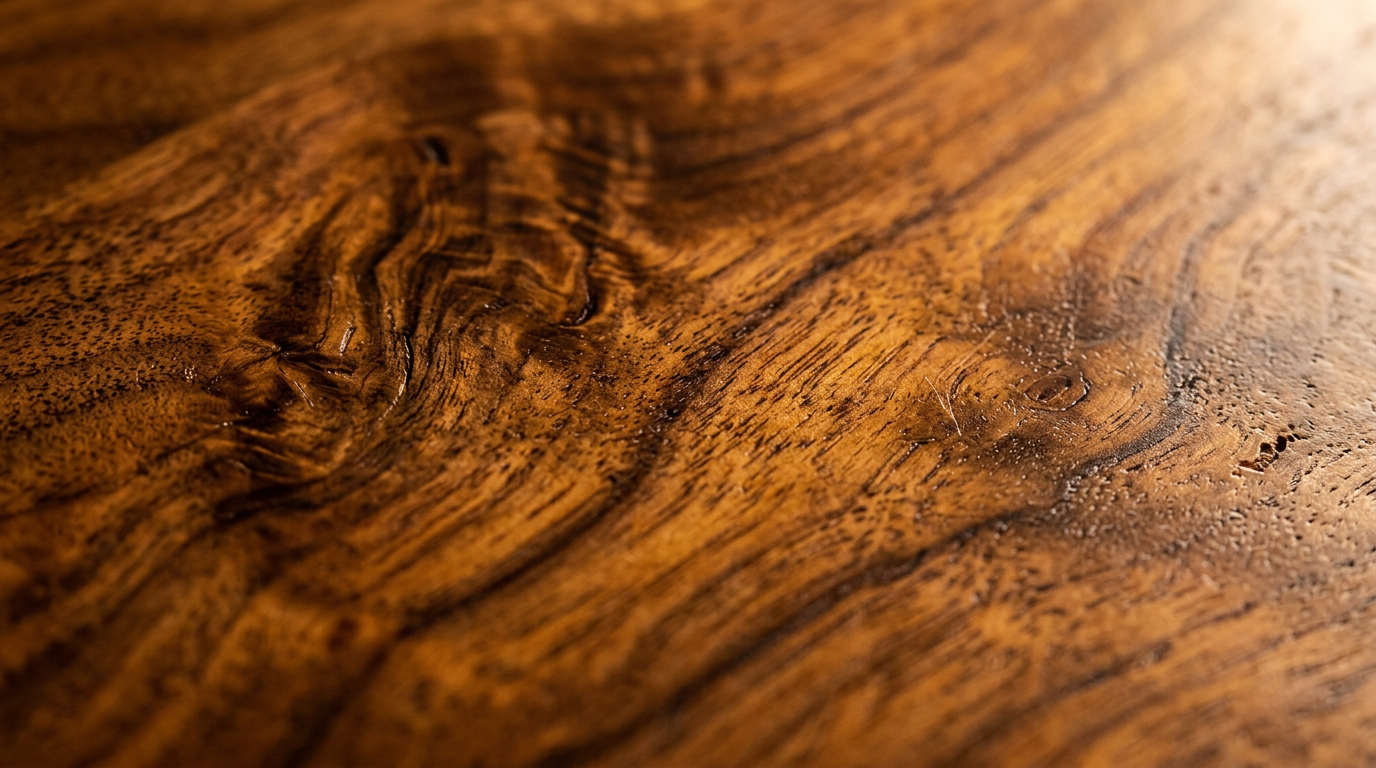
Natural veneer is a thin slice of real wood bonded to a stable core. Because it is genuine timber, every door has unique grain, natural color variation, and the unmistakable depth of real wood. No two doors are exactly alike — which is part of the appeal for many homeowners.
What is eco veneer?
Eco veneer (also called engineered or reconstituted veneer) is made from fast-growing wood that is dyed, layered, and re-sliced to produce a consistent, repeatable grain pattern. It offers a uniform look, often uses sustainable species efficiently, and can deliver exotic-wood appearances at a friendlier price.
How to choose
- Want natural character and variation? Natural wood veneer.
- Want uniform, predictable grain? Eco veneer.
- Prioritizing sustainability and value? Eco veneer is often the efficient choice.
- Want a genuine one-of-a-kind piece? Natural veneer.
Both are stable and Florida-friendly
Because both are built on engineered cores, veneer doors resist the seasonal movement that can affect solid wood — a genuine advantage in humid Central Florida. Explore finishes and colors in our veneer door collection, and reach out if you would like help choosing.